BREAKTHROUGH IN RURAL WATER MANAGEMENT-
AARAV IRRIGATION PROJECT - KHEWARE
Project Background
During visit to Kheware village, it was observed that about 100 acres of land was not cultivated after the monsoon. Non availability of water after the monsoon was the reason for not taking crops. However, the villagers brought to our notice, that there is a huge Percolation Tank (PT) with 50 Cr litres capacity in the nearby hill. So, we thought of designing a scheme for bringing the water from the Percolation Tank to the fields of the farmers. The farmers assured that they will utilize the water if it is made available and agreed to partially contribute towards the cost of the project
Objectives
To bring the water from the Percolation Tank to the fields of the farmers after the monsoon. Area that will be covered will be ~ 100 Acres. Requirement of water to irrigate 100 acres of land by drip irrigation is Rs 10 Cr Litres per year
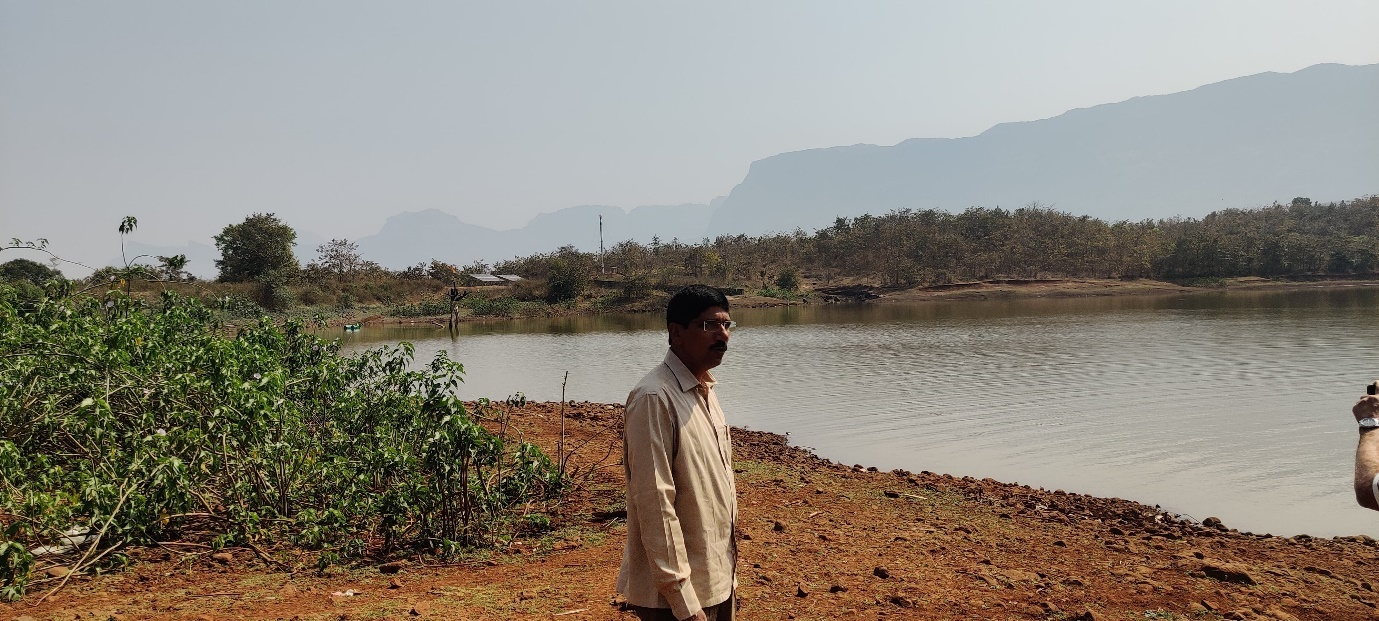
Kheware lake having a capcity of 50 crore litre of water
Problem Statement
The Percolation Tank was about 1.5 Kms from the fields
The water cannot be brought by siphon or gravity as there were some parts on the way which were at higher altitude than the Percolation Tank
To overcome the above difficulty, ESR or some innovative method was required.
Absence of Electricity near the Percolation Tank
Distribution system to cover 100 Acres of land
Options
Digging of Borewell by individual farmers in their fields.
Creating water tanks in their fields
Cost Benefits study
If a farmer having a field of 1 Acre cultivates his land during non monsoon period he can get Rs 2 Lakhs net additional income.
This means after 100 acres of land is cultivated by this scheme Rs 2 Cr will be generated which will uplift the living of the villagers
Technological Innovation:
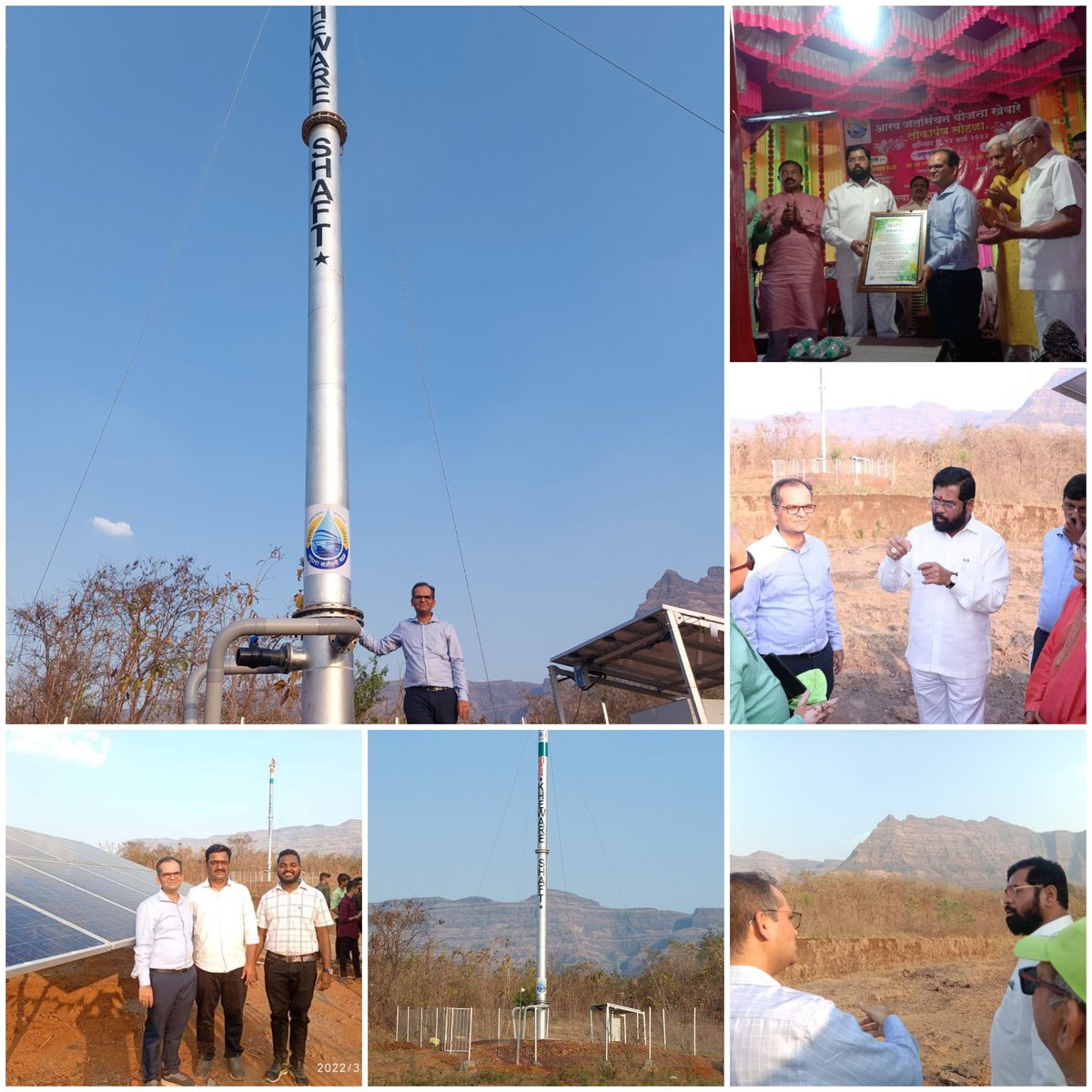
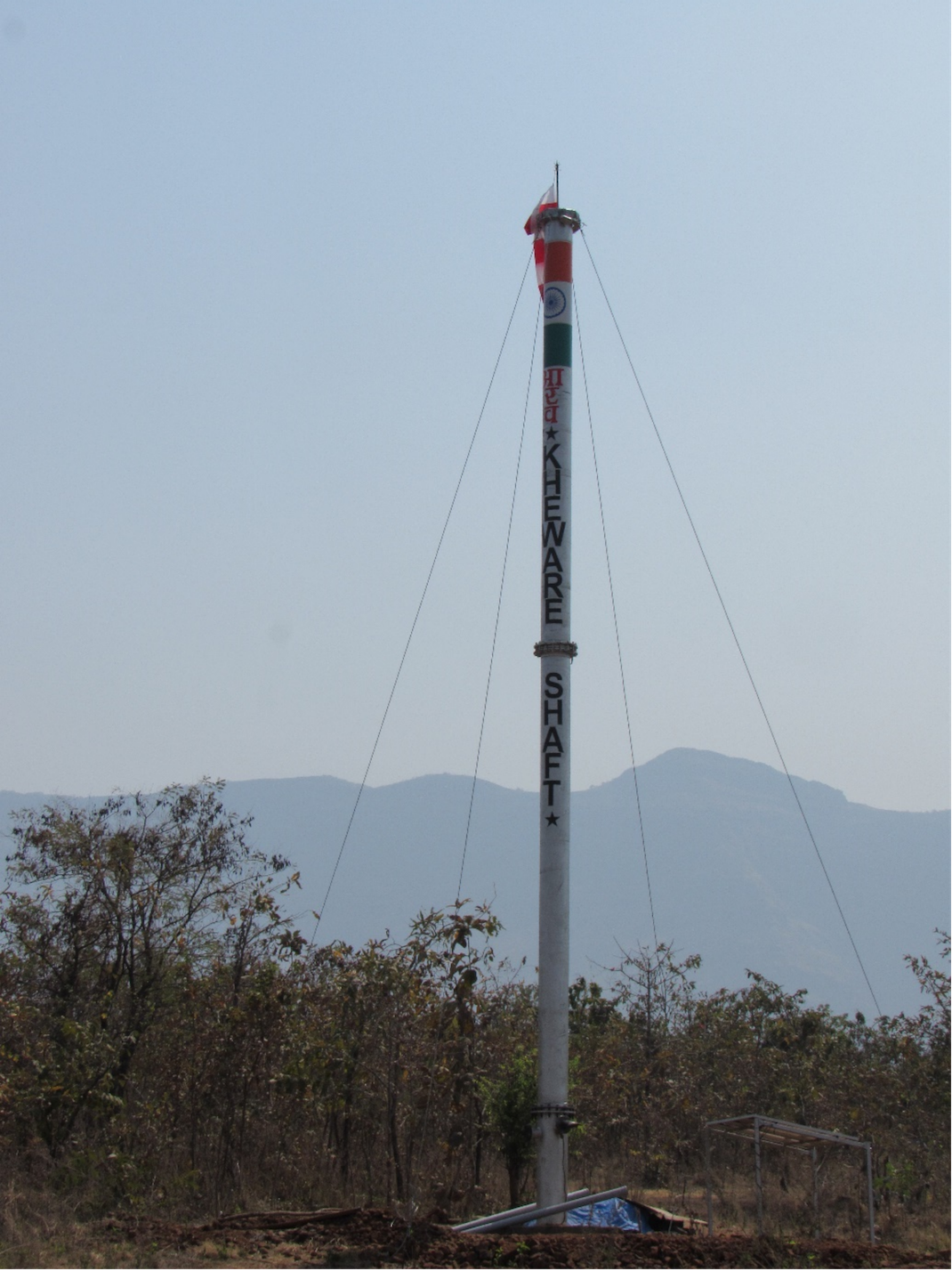
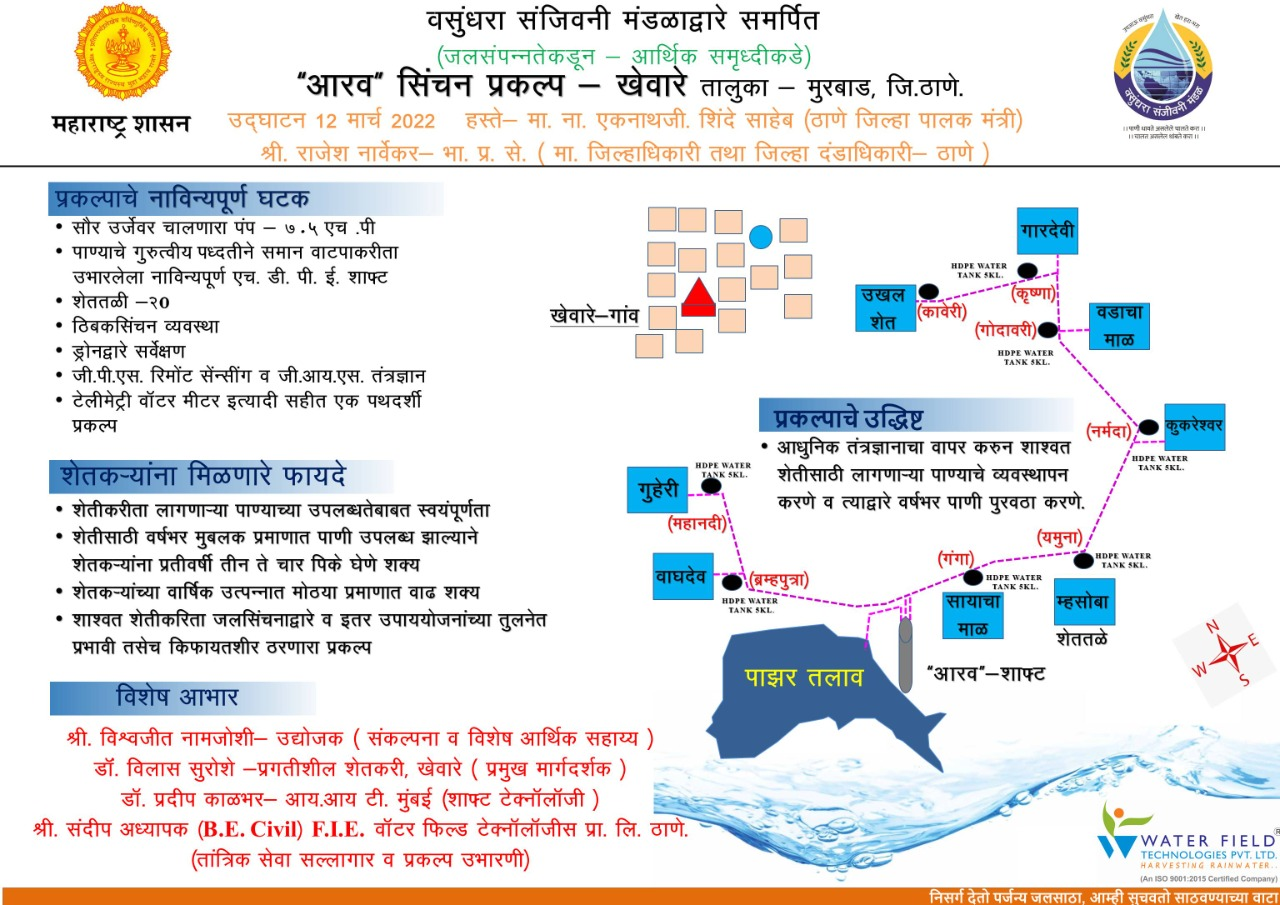
Instead of erecting an Elevated Storage Reservior (ESR) a Shaft was erected to get the necessary water head level for distribution of water by gravity. This has resulted in saving of Rs 8 lakhs.
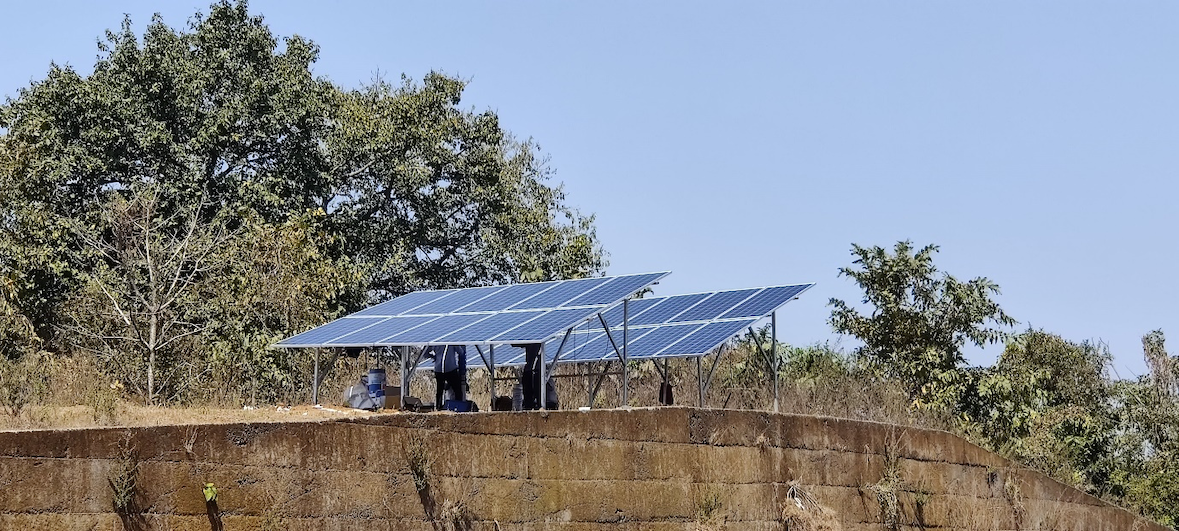
Solar pump was installed in absence of Electricity near the Shaft.
Water telemetry is installed on the suction side to measure the water lifted from the PT.
8 HDPE Tanks were installed at strategic positions downstream for distribution of water the fields
Shaft for distribution of water
Impact Analysis for benefits measurement:
Project Planning and Resource allocation
A number of meetings were held with the villagers and farmers who were going to be benefitted by the scheme. Once the villagers understood the benefit of the scheme, the agreed to participate in the project. The agreed to raise Rs 5000 for every acre that will come under irrigation.
A GPS survey was done and based on that a scheme was finalised to lift water from the PT and distribute the water by using Shaft Technology and the 8 Water stations at various strategic locations. Water was to be lifted by a submersible pump operated on Solar Energy.
The total project cost was Rs 41 lakhs financed by
Mr Vishwajit Namjoshi Rs 30,00,000/-
Funds from Collector Rs 6,00,000/-
Collection from farmers Rs 5,00,000/-
Implementation Methodology
The project was implemented on Turnkey basis by Waterfield Technologies Pvt Ltd. The Technology for Shaft was provided by Dr Kalbhar of IIT Mumbai.
Solar panel for lifting water from reservoir
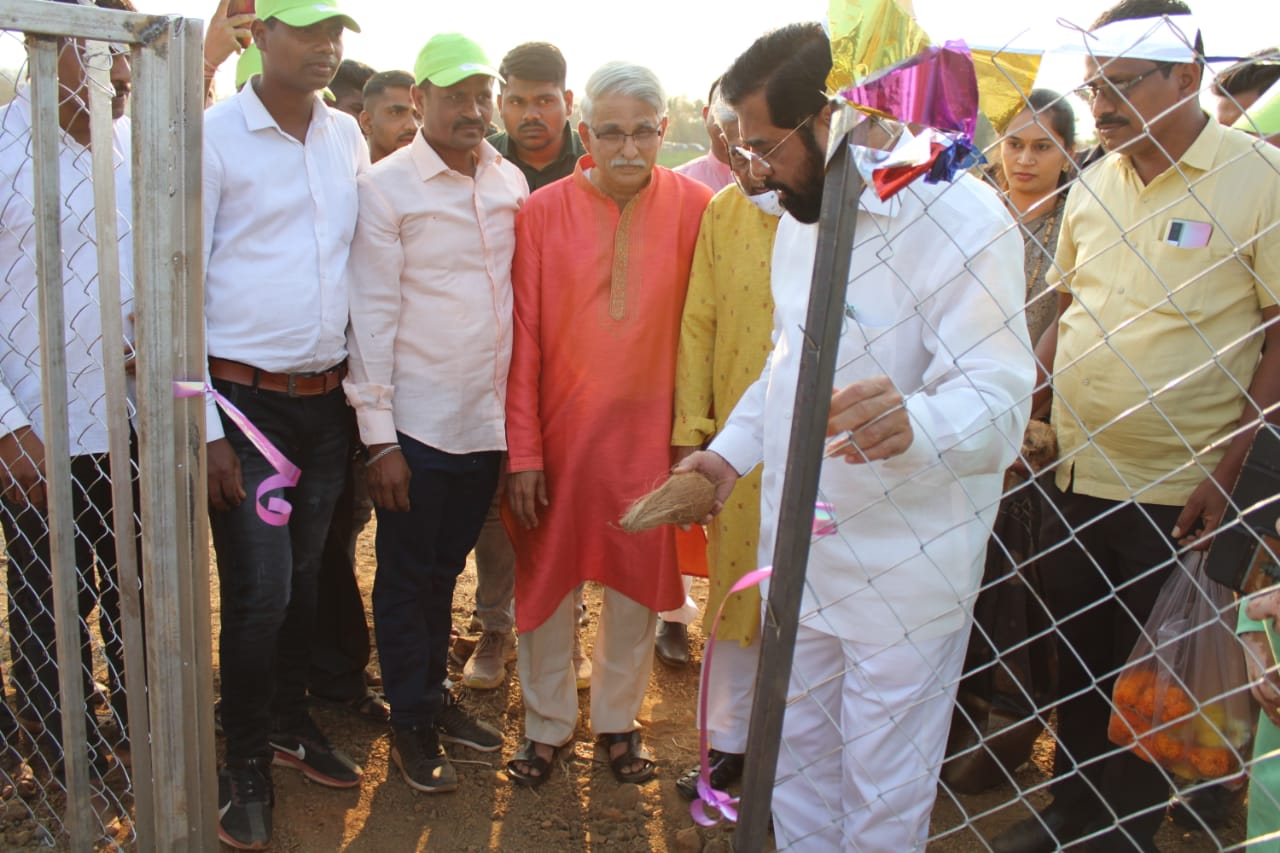
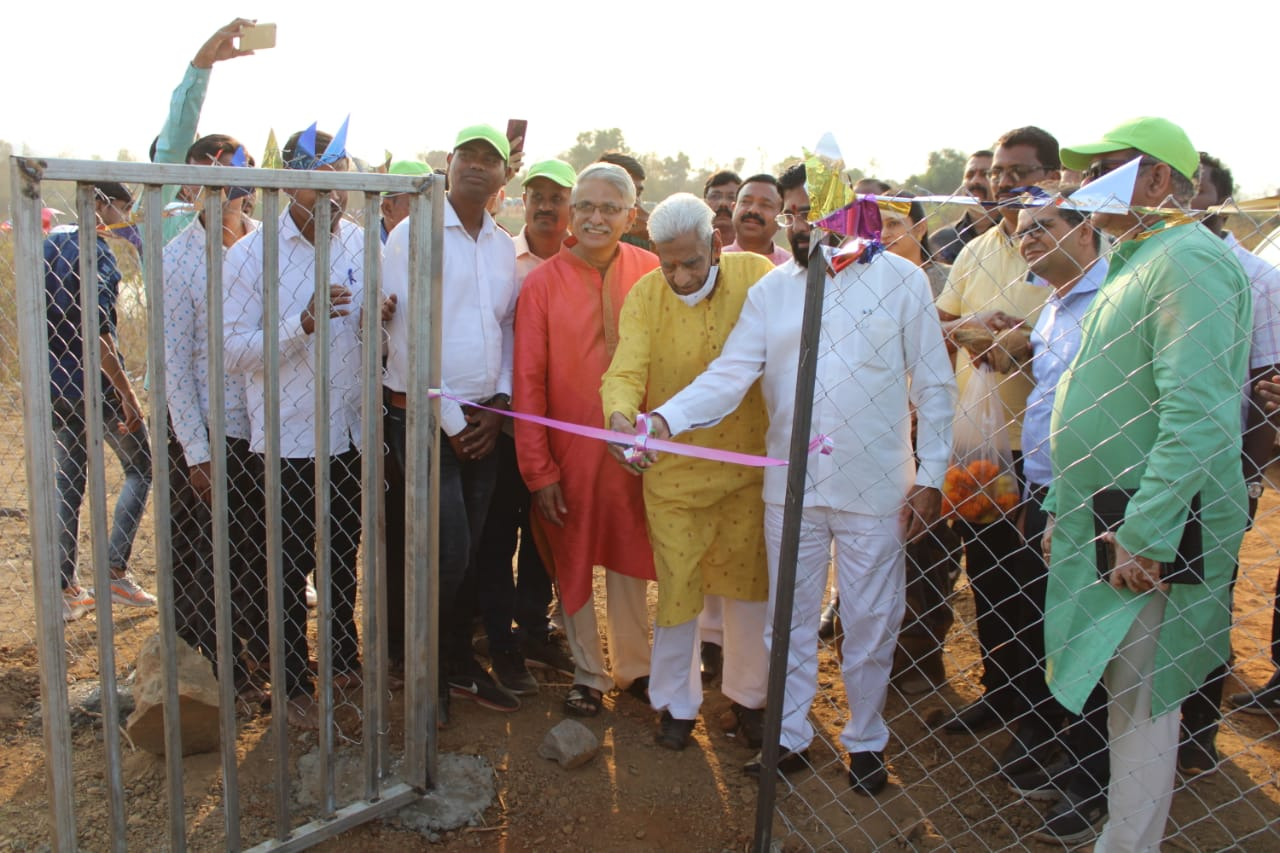
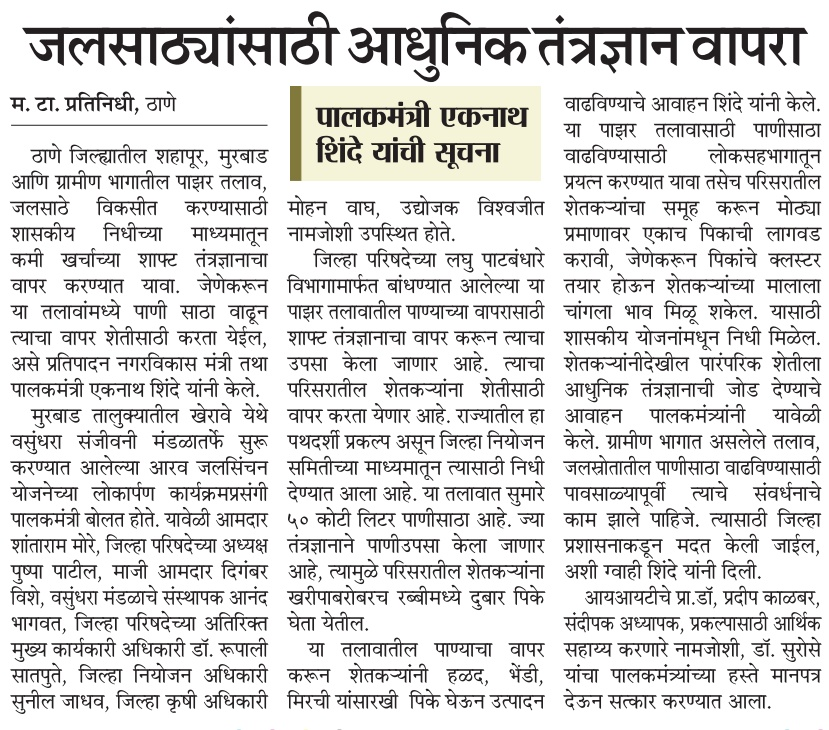
Inauguration of the scheme by Mr Eknath Shinde, Guardian Minister